

Attracting beauty and self-care through cosmetic products can be tempting, so we often turn to cosmetics when searching for enhancement. But behind this beauty solution lies an often unspoken but potentially serious health risk. This exploration delves deep into hidden dangers within creams, lotions, and makeup items to uncover possible health threats and provide consumers with all the knowledge necessary to make informed choices that benefit both beauty and health. Join us as we unravel this delicate balance between aesthetics and wellness in cosmetic products!
Chemicals
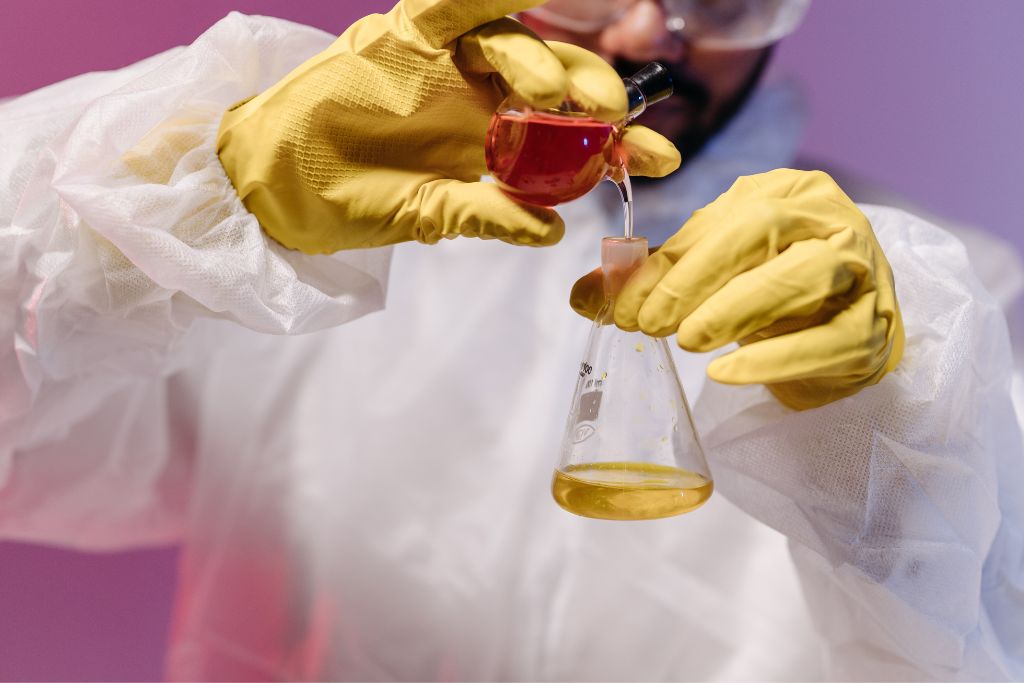
Despite marketing terms like “naturally derived,” nontoxic,” and “clean,” cosmetic products are underregulated, and many contain chemicals that pose risks. Children are especially susceptible to harm from these chemicals, which can be absorbed through the skin, inhaled, or swallowed.
While some chemical exposures may cause only minor health problems, repeated and prolonged exposure to certain chemicals can lead to serious health issues. These include cancer, endocrine disruption, and developmental delays.
Because of outdated legislation, cosmetic companies do not need Food and Drug Administration approval before they sell their products. But a lack of regulation means that if you don’t read labels, it can be difficult to avoid potentially harmful chemicals. Apps and websites such as EWG’s Skin Deep, Clearya’s, and the Campaign for Safe Cosmetics’ Non-Toxic Black Beauty Database can help consumers make wise choices. Congressional efforts to increase FDA authority could also help close regulatory loopholes that leave people vulnerable.
Heavy Metals
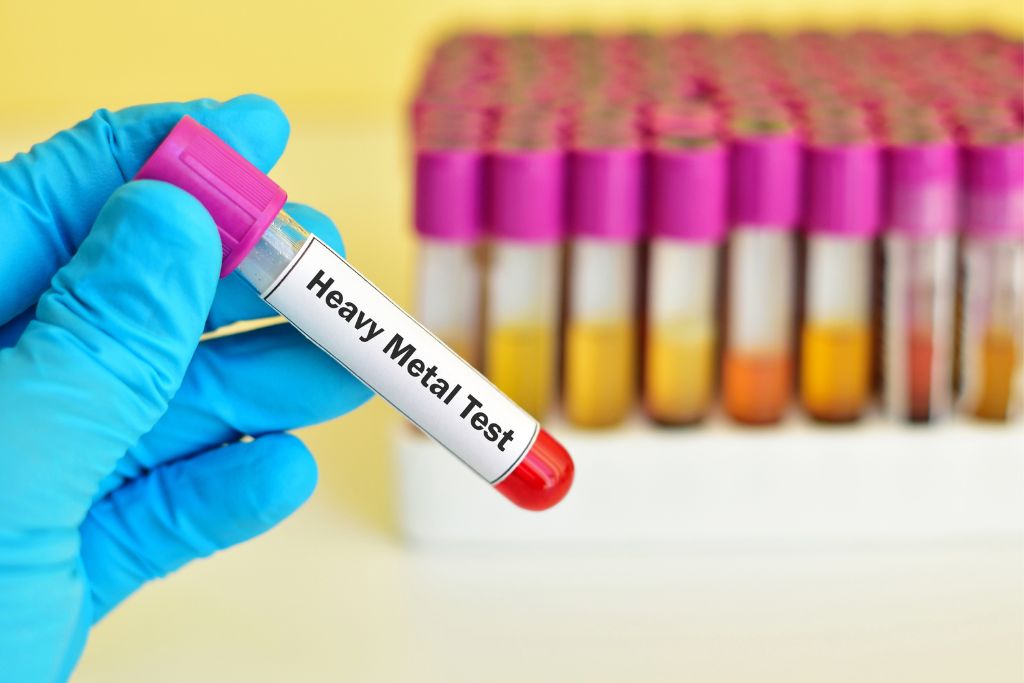
Heavy metals in cosmetic products are toxic to the human body. They can enter the body through dermal absorption, inhalation, or internal use and cause various health problems. They are usually found as contaminants in cosmetics containing mineral pigments and can include lead, arsenic, cadmium, mercury, and aluminum.
The ability of the metals in cosmetics to bind with proteins determines their toxicity. They also interfere with cell synthesis and metabolism. Some of the toxic effects caused by these metals include cellular oxidative stress and DNA mutation.
Heavy metals are often found in colored makeup, particularly long-lasting powders, metallic eye shadows, and lipsticks. They can also be present as impurities in natural ingredients, like plant-based ingredients. Using cosmetics from well-known brands that follow strict regulations is one way to ensure that the products you use are free from these toxins. Other options include choosing organic makeup or purchasing items from reputable independent brands. These companies will be sure to conduct third-party testing and use ingredients that are responsibly sourced.
Formaldehyde

Before entering the market, the FDA must pre-approve some pesticides and food additives, but cosmetic products and ingredients are subject to much less scrutiny. For example, the FDA doesn’t ensure that cosmetics or ingredients like formaldehyde and phthalates pose no risk to consumers, even though several case-control studies (where researchers look at people who have a disease, such as cancer, and then compare them to those without it) and an extended follow-up of a large industrial cohort study linked prolonged exposure to formaldehyde with nasopharyngeal cancer death (6).
The good news is that the FDA recommends that aerosol products contain no formaldehyde at all and that other products containing formaldehyde don’t exceed 0.2 percent, but these are merely recommendations that companies aren’t obligated to follow. Still, the EWG estimates that up to 20 percent of beauty and personal care products contain formaldehyde-releasing preservatives (also known as DMDM hydantoin, polyoxymethylene urea, imidazolidinyl urea, bronopol, glyoxal, methenamine, and quaternion-15), which release small amounts of formaldehyde into your skin over time and can cause irritant contact dermatitis in allergic individuals (7).
Parabens

Parabens are a group of chemicals widely used in cosmetic products as preservatives. They prevent the growth of bacteria, fungi, and mold and extend the shelf life of a product. Scientists have found evidence that these chemicals can interfere with the body’s hormone systems, resulting in potentially harmful effects on the reproductive system and a greater risk of cancer. Parabens are also known to cause irritation, especially in people who have allergies or sensitivities.
Methylparaben in particular has been linked to a variety of health issues, including breast cancer, because it can mimic estrogen and disrupt normal hormone function. But despite this concern, there’s no proof that it poses any serious threat to human health. According to experts, the amount of methylparaben that enters the body via cosmetics and other skin products is insignificant and flushed out pretty quickly. That said, it’s still a good idea to seek out paraben-free beauty products. The Environmental Working Group’s “Skin Deep” database lists a number of companies that have opted to avoid these chemicals.