

The frenetic nature of modern life creates worries regarding mental health. Because of the increased pressure to succeed, more and more people are having problems with their mental health. Problems with our mental health, such as anxiety and eating disorders, can have an impact on our day-to-day lives. In this article for the blog, we will talk about some of the most common mental health problems, as well as how those problems affect us both mentally and physically. Hold on to your hats, because we’re about to take an interesting look into mental health!
Anxiety disorder
Anxiety problems impact people of all ages in different ways. Some develop obsessive thoughts or compulsive habits, while others worry and panic. These conditions can severely impair the quality of life. Generalized anxiety disorder (GAD) involves overthinking daily situations. Anxious thoughts can cause fatigue and restlessness in GAD sufferers.
Social anxiety disorder, which causes acute social anxiety, is another prevalent anxiety disorder. This illness can make people avoid socializing, disrupting their personal and professional lives.

Panic disorder, another type of anxiety, causes abrupt dread and physical symptoms such as chest discomfort, dizziness, sweating, and shaking. Unprovoked panic episodes can occur.
CBT with antidepressants or anti-anxiety medications can treat these anxiety problems. Talk to your doctor if you have anxiety disorder symptoms to find the best treatment for you.
Mood disorders
Mood problems affect millions globally. These disorders can vary in severity and impair daily life. Bipolar, seasonal affective, and depression are mood disorders.
Depression, a common mood illness, causes sadness, hopelessness, and a loss of interest in past hobbies. It can also cause fatigue, hunger, and sleep abnormalities. Bipolar disorder entails significant mood swings between manic and depressed episodes. Manic episodes can cause hyperactivity, impulsivity, and sleeplessness.
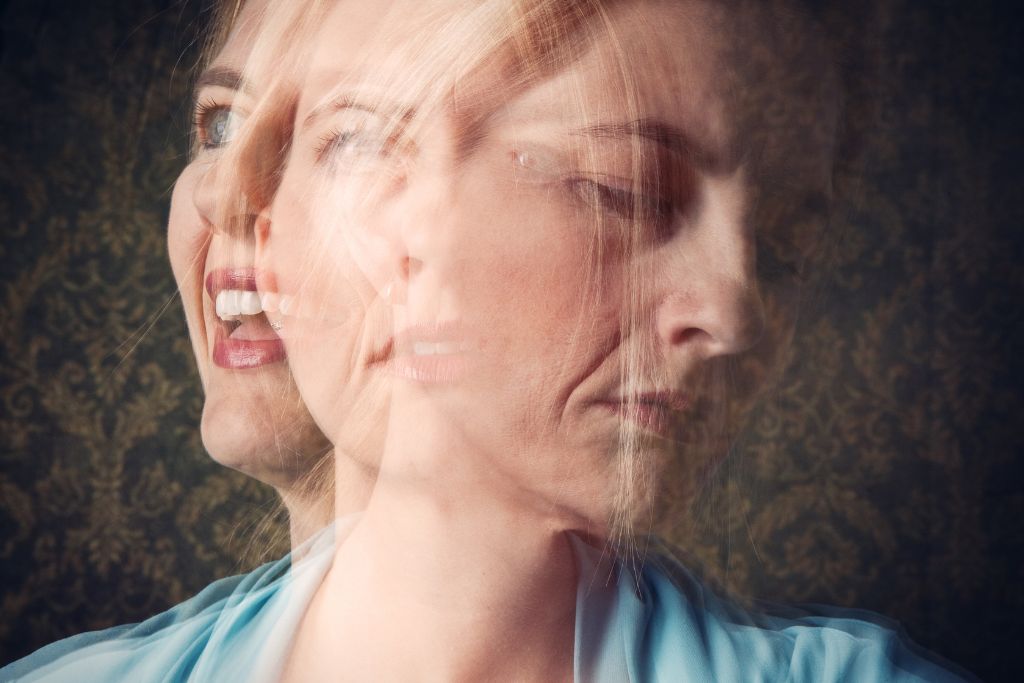
Seasonal affective disorder (SAD) is depression that occurs during periods of decreased daylight. SAD begins in fall or winter and resolves in spring with longer days. If you suspect a mood disorder, get help. Therapy, medication management, and lifestyle changes like diet and exercise are treatment possibilities.
Substance abuse
Substance misuse is a major mental health issue. Drug and alcohol abuse can lead to addiction and dependency. Substance abusers may change physically, emotionally, and behaviorally.
Substance misuse has short- and long-term repercussions. Judgment, coordination, and risk-taking are short-term consequences. Long-term complications include liver damage, heart disease, respiratory issues, depression, anxiety, and cognitive impairment.
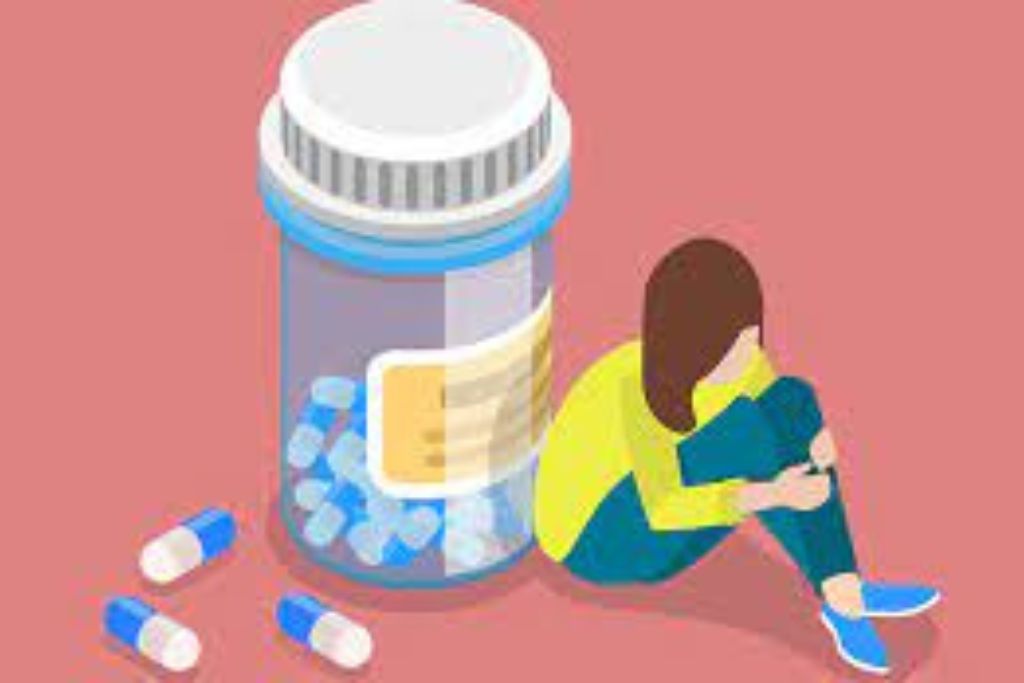
Substance misuse impacts family and friends. Maintaining this habit costs a lot of money. Drug/alcohol use impairs communication, causing family problems. Drug detoxification is followed by therapy or counselling. Medical supervision is needed for detoxification withdrawals. Substance abuse is a significant mental health issue that requires expert help to overcome.
Eating disorders
Mental health issues are a severe problem for all ages, genders, and backgrounds. Anxiety, mood, substance abuse, and eating issues require care.
Therapy and support groups can help people with these challenges. Remember that asking for help demonstrates strength and courage.

It’s crucial to use a multidisciplinary strategy to treat common mental health issues. Pharmacy healthcare services are important. These services benefit mental health patients. Pharmacists, who manage medications, can advise on treatment alternatives. They can teach about prescription use, side effects, and adherence. Pharmacists can work with doctors to integrate mental health treatment. Pharmacy healthcare services can increase mental health support system accessibility and patient outcomes.