

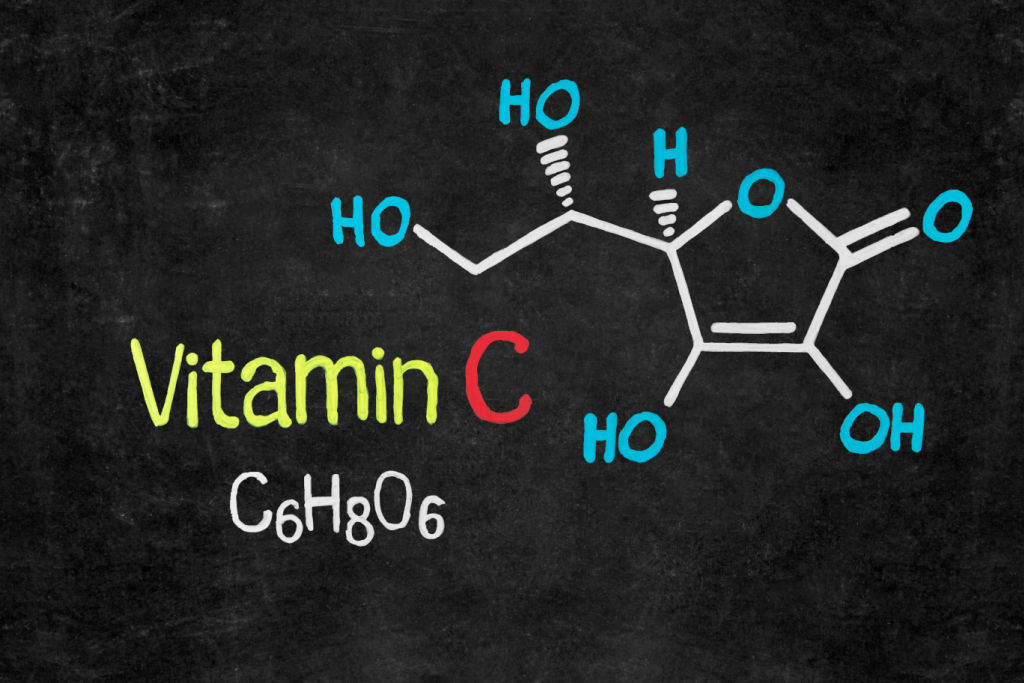
Vitamin C is essential for maintaining the health of our bodies. It protects us from free radicals, supports connective tissue, helps fight scurvy, and lowers blood pressure. However, we often don’t get enough vitamin C. Luckily, new research suggests that we should be eating more of this important vitamin.
Protects against free radicals
Free radicals are molecules that are harmful to our bodies and our cells. They can attack the DNA or lipids in our bodies. In addition, they can affect the shape of cells and change their function. Antioxidants can help protect against free radicals and prevent them from harming our cells.

Vitamin C in our diet protects against free radicals by boosting our immune system. It can also help protect us from oxidative stress, which is linked to numerous chronic diseases. Studies have shown that vitamin C increases the levels of antioxidants in our blood by as much as 30%. It also helps our natural defenses fight inflammation. Many Americans are at risk of heart disease, and vitamin C is a great way to lower that risk.
Helps maintain connective tissue
Vitamin C helps maintain connective tissue in the body. These tissues are made up of sugars and proteins that surround organs and keep muscles in place. They also help connect bones to muscles. Inflammation of these tissues can lead to diseases such as arthritis, lupus, and fibromyalgia. Vitamins and minerals can help repair damage to these tissues.

Vitamin C plays a key role in the biosynthesis of connective tissue, including collagen. Vitamin C is essential for the production of collagen, which helps heal wounds and maintain healthy blood vessels. Vitamin C can also help prevent osteoporosis and reduce the risk of bone loss. Vitamin C is also found in foods, and it is best taken daily.
Helps prevent scurvy
Vitamin C is an important part of our diet and can help prevent scurvy. It is necessary for the proper functioning of our immune system. In addition, Vitamin C is required for the synthesis of many important biochemical products. For example, it is necessary for the production of dopamine and carnitine, which are needed by our cells to produce energy. If the body does not get enough Vitamin C, symptoms can include neurologic dysfunction and lassitude.

The human body cannot produce vitamin C and therefore needs a high intake of it in its diet. Vitamin C helps the body repair and maintain its various tissues. Without it, the body can get depleted of vitamin C and become prone to scurvy. This can lead to symptoms like easy bruising and bleeding, as well as muscle and joint pain. Although vitamin C supplements can be used for the treatment of scurvy, a diet rich in vitamin C-containing foods can be equally effective. Citrus fruits, green and red peppers, broccoli, and spinach are excellent sources of vitamin C.
Reduces risk of high blood pressure
Increasing the amount of Vitamin C in our diet can reduce the risk of high blood pressure. It can help lower your BP and lower the risk of strokes and heart attacks. However, if you have a history of hypertension, you should see your doctor for a proper diagnosis. Eating more fresh vegetables and fruit is another way to lower your risk. Limiting your intake of salt and processed foods can also reduce your risk.

Research has found that supplementation with vitamin C significantly lowers systolic and diastolic blood pressure. The reductions were consistent across all studies, even when controlling for age and hypertension. The researchers concluded that the amount of vitamin C should be about 75 milligrams for adults and 90 milligrams for men.
Protects against memory and thinking disorders
One study looked at the correlation between vitamin C intake and cognitive performance. In an Austrian community sample, it was found that lower levels of vitamin C and beta-carotene were associated with lower cognitive scores. Serum levels of vitamin A, beta-carotene, and folate were also significantly correlated with memory performance.

Protects against gallbladder disease
Researchers from the University of California have discovered that eating plenty of vitamin C may protect against gallbladder disease in women. The study, which included 13,130 men and women, used data from U.S. nutrition surveys to make the connection. The study also found that women who consumed higher amounts of vitamin C, either from food or vitamin supplements, had a lower risk of developing gallstones.

Gallstones can be associated with a low level of vitamin C, but animal experiments have shown that vitamin C can prevent gallstones. However, there are no studies in humans that have examined the relationship between reduced vitamin C intake and gallstones. For this reason, the aim of the study was to find out whether a reduced vitamin C intake is associated with an increased risk of gallstones. The participants were randomly selected from a general population in southern Germany. During the study, they were evaluated by abdominal ultrasound, a standardized questionnaire, and blood tests. Data were collected from December 2005 to January 2006.