
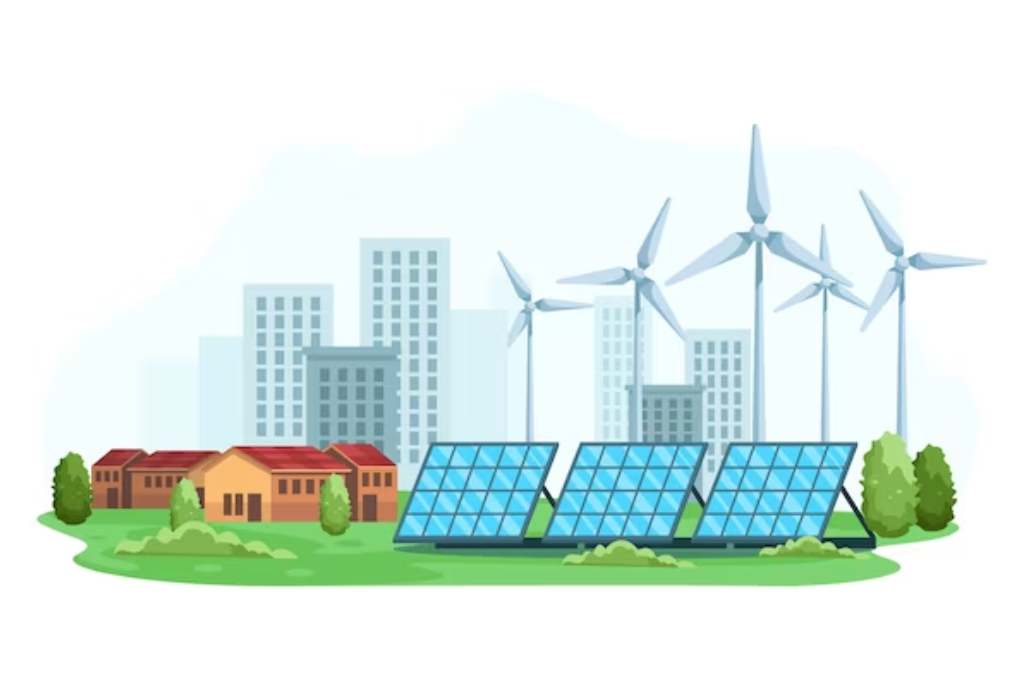
Welcome to the future of energy, where renewable sources are set to revolutionize the way we power our world. In a time when climate change looms large and fossil fuel reserves dwindle, the need for sustainable alternatives has never been more urgent. Renewable energy offers a glimmer of hope amidst these challenges, presenting us with clean, abundant, and inexhaustible resources that can shape a brighter and greener future.
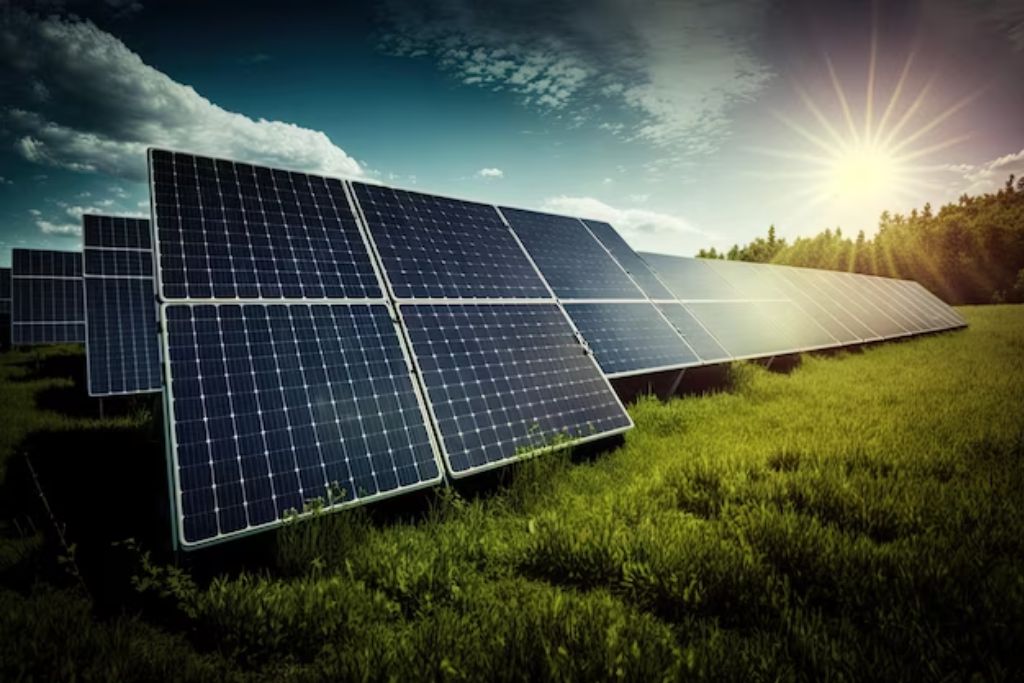
From harnessing the power of sunlight and wind to tapping into geothermal heat and hydroelectricity, renewable sources have emerged as game-changers in our quest for cleaner energy solutions. But what exactly makes them so advantageous? And what hurdles do they face on their path towards widespread adoption?
In this blog post, we will explore the many benefits offered by renewable sources while delving into the challenges that must be overcome. We will also examine how government policies play a crucial role in promoting their use. Additionally, we’ll delve into cutting-edge technological advancements driving further innovation within this field. We’ll look at how embracing renewables can mitigate environmental damage and combat climate change.
So join us as we embark on an enlightening journey through the realm of renewable energy—a realm that holds immense potential to reshape our world for generations to come!
Advantages of Renewable Sources
Renewable energy sources offer numerous advantages that make them a crucial part of shaping the future of energy. One significant advantage is their infinite availability. Unlike fossil fuels, which are finite and depleting resources, renewable sources such as solar, wind, hydroelectric, and geothermal power are abundant and will never run out.
Another key advantage is the reduction in greenhouse gas emissions. By using renewable energy, we can significantly decrease our carbon footprint and combat climate change. This is particularly important considering the detrimental effects of global warming on our planet.
Moreover, renewable sources provide economic benefits by creating jobs and promoting local development. The growth of industries related to renewable energy technologies opens up employment opportunities across various sectors. Additionally, investing in clean energy helps reduce dependence on imported fossil fuels, thus boosting national economies.
Furthermore, renewable sources contribute to improved air quality and human health. Unlike conventional power plants that release harmful pollutants into the atmosphere during electricity generation, renewables produce minimal or no emissions at all. This leads to cleaner air for us to breathe and reduces respiratory illnesses caused by pollution.
Additionally, utilizing renewable energy diversifies our energy mix and enhances grid stability. By incorporating different types of renewables into our power systems, combined with advanced storage technologies like batteries or pumped-hydro storage facilities, we ensure a constant supply of electricity even when one source fluctuates or faces downtime due to weather conditions.
In conclusion, these advantages highlight why transitioning towards a reliance on renewables is vital for the future of energy production worldwide!
Challenges Faced by Renewable Energy
Transitioning to a renewable energy future is not without its challenges. While the benefits are evident, several obstacles must be overcome to fully harness the potential of these sustainable sources.
One significant challenge is the intermittency of renewable energy. Unlike fossil fuels, which can provide a constant and reliable source of power, renewables such as solar and wind are dependent on weather conditions. This variability makes it difficult to ensure a steady supply of electricity at all times.

Another challenge lies in the high upfront costs associated with building renewable energy infrastructure. While the long-term savings from using clean energy sources are substantial, the initial investment required can be prohibitive for many individuals and businesses.
Additionally, integrating renewable energy into existing grids poses technical challenges. The current infrastructure was designed for traditional forms of power generation and may not be equipped to handle intermittent sources effectively. Upgrades and investments will be needed to optimize grid integration.
Furthermore, public perception and resistance can pose hurdles for renewable projects. Some communities may oppose wind turbines or solar farms due to concerns about their visual impact or noise levels. Overcoming these objections requires effective communication and community engagement.
Political support is crucial for driving the widespread adoption of renewables. Policies that incentivize clean technologies need to be implemented at both national and international levels to create an enabling environment for growth.
While these challenges exist, they should not discourage us from pursuing a renewable energy future. With continued innovation, investment, and education, we have the potential to overcome these obstacles and shape a more sustainable world powered by clean energy sources
The Role of Government and Policies in Promoting Renewable Energy
Government support and policies play a crucial role in promoting the use of renewable energy sources. By implementing favorable regulations, incentives, and subsidies, governments can encourage businesses and individuals to adopt clean energy solutions.
One way governments promote renewable energy is through feed-in tariffs. These policies guarantee that producers of renewable electricity will receive a fixed payment for each unit of power they generate. This encourages investment in renewables and provides certainty for long-term returns, making it an attractive option for investors.

In addition to financial incentives, governments also set targets for renewable energy generation. These goals create a sense of urgency and push companies to innovate and invest in sustainable technologies.
By providing grants or low-interest loans, governments can assist with the initial costs associated with transitioning to renewables. This helps remove barriers such as high upfront expenses that may deter some businesses from adopting cleaner alternatives.
Furthermore, regulatory frameworks are essential in ensuring fair competition between conventional fossil fuel industries and emerging green sectors. Governments must establish clear guidelines on emissions standards, carbon pricing mechanisms, and other regulations that level the playing field for all players involved.
Collaboration between different levels of government is also vital; national policies need to be aligned with regional or local initiatives to ensure comprehensive support for renewable energy projects across the country.
By actively participating in international climate agreements like the Paris Agreement, governments demonstrate their commitment to reducing greenhouse gas emissions globally. Such efforts enhance their credibility and inspire others by setting an example.
As public awareness about climate change grows stronger every day, citizens are increasingly demanding action from their elected officials regarding sustainable practices. Governments have a responsibility to listen to these voices and take meaningful steps towards supporting renewable energy development.
Government involvement is indispensable when it comes to advancing the future of energy. Through effective policymaking and strategic investments, they have the power to shape our world into one where clean sources provide us with a sustainable and secure energy future.
Technological Advancements in Renewable Energy
Technological advancements have played a crucial role in shaping the future of renewable energy. With ongoing innovation and research, we are witnessing remarkable progress in harnessing energy from renewable sources.
One such advancement is the development of more efficient solar panels. Traditional solar panels were bulky and expensive, making them less accessible to the public. However, with advancements in technology, solar panels have become thinner, lighter, and more affordable. This has led to an increase in their adoption in both residential and commercial buildings.

Similarly, wind turbines have undergone significant improvements over the years. Better blade designs and advanced control systems allow for increased efficiency and power generation. Wind farms are now capable of producing substantial amounts of electricity, contributing significantly to our clean energy goals.
Another breakthrough is the development of advanced battery storage systems. These batteries can store excess energy generated by renewable sources during times of low demand or when conditions are unfavorable for production. This stored energy can then be utilized when needed or fed back into the grid during peak hours.
Moreover, smart grids equipped with sophisticated monitoring technologies enable better management and distribution of renewable energy resources. These grids optimize power flow based on real-time data analysis, reducing waste and improving overall efficiency.
Furthermore, research is underway to explore new possibilities, like tidal power generation using underwater turbines and harnessing geothermal heat as an abundant source of clean energy.
Opportunities for a future powered primarily by renewable sources are now more accessible thanks to these technological advancements’ rapid evolution. The integration of these innovations will help address environmental concerns and create economic growth through job creation in the clean tech sector.
Technology has a tremendous potential to change our current fossil fuel-dependent system into one that is renewable energy-driven. It’s exciting to see how these advancements will shape our future energy landscape!
Impact on the Environment and Climate Change
In a world grappling with the consequences of climate change, renewable energy has emerged as a beacon of hope. Its impact on the environment and efforts to mitigate climate change cannot be overstated.
The adoption of renewable sources is crucial to reducing greenhouse gas emissions. Unlike fossil fuels, renewable energy generates electricity without releasing harmful pollutants into the atmosphere. This improves air quality and helps combat global warming.

Renewable energy technologies have proven to be instrumental in curbing carbon dioxide emissions, the primary driver of climate change. By harnessing wind, solar, hydroelectric, geothermal, and biomass power, we can significantly reduce our reliance on fossil fuels and decrease our carbon footprint.
Moreover, transitioning to renewable energy offers numerous co-benefits for the environment. For instance, hydropower projects can provide flood control and water storage capabilities while supporting biodiversity conservation efforts. Solar panels can be installed on rooftops or built-in gardens to utilize unused space efficiently.
The positive impact of renewable energy extends beyond environmental benefits; it also contributes to sustainable development goals such as job creation and economic growth. The shift towards renewables has led to an increase in employment opportunities within this sector globally.
However promising these advancements may seem when it comes to combating climate change and securing a sustainable future for generations ahead, there are still challenges that need addressing.
To truly shape the future of energy through renewables means overcoming hurdles like intermittency issues associated with certain sources (e.g., solar or wind) where power generation fluctuates based on weather conditions or time-of-day fluctuations in demand versus supply availability from these sources alone which must either be stored using batteries or supplemented by other forms like natural gas plants during times when production exceeds immediate demand but falls short at peak hours due mainly because they produce more electricity than consumers require at those periods requiring excess amounts sold back onto electrical grids supplied primarily by coal-fired facilities often leading them wasted rather reinvested into cleaner alternatives ensuring greater resilience by decentralizing our energy grids making them more flexible do not rely on solely large