

Yeast is the key to creating the airy, fluffy texture and taste we associate with bread. But if you want to bake the perfect loaf, you have to be willing to invest some time and effort.
So, here are some tips to help you get started. If you stick with it, your efforts will pay off in a delicious loaf of homemade bread every time.
Basics
Bread is a unique baking process, requiring a different set of ingredients and techniques than cookies or cakes. Its complicated relationship with water, yeast, flour, and salt requires an expert touch to make it perfect every time.

It’s also important to choose high-quality ingredients. Opt for flour and yeast that are within their expiration dates to ensure freshness and flavor.
Ingredients
Baking homemade bread is a great way to avoid unhealthy preservatives and additives in store-bought bread. It also gives you a variety of options for flavors and textures.
The key is to use the right ingredients! The basic ingredients include flour, sugar, salt, butter, and milk.

This recipe is surprisingly easy and works with all types of flour. It’s the perfect start for beginners and expert bakers alike!
Preparation
When it comes to baking homemade bread, the prep process can make or break the end result. Even a small difference in the water temperature, yeast, or salt can have a profound impact on the finished loaf.
For instance, if the water you use is too hot it can kill the yeast and your bread won’t rise. On the other hand, if it’s too cold you won’t get that gorgeous bubble formation on the surface of your bread.

Similarly, mixing your dough correctly assures that all ingredients are evenly distributed and therefore will produce fluffy bread. This step can be tricky, especially when baking with a lot of whole wheat flour.
Kneading
Kneading is a crucial step in the bread-making process. It helps to develop the glutens in flour that give baked goods their structure and texture.
It can be done by hand or with a stand mixer with a dough hook. For best results, knead your bread dough by hand until it’s smooth and elastic.

Once the dough has reached this consistency, turn it out onto a lightly floured surface. Repeat kneading until it’s smooth and elastic, about 10 minutes total.
Proofing
The proofing process for homemade bread involves letting the yeast in the dough ferment and rise giving it that delicious airy texture. During this stage, the yeast reacts with the sugars in the flour to produce carbon dioxide and other compounds.

Depending on the recipe, this proofing process can take anywhere from one to three hours. Generally speaking, the longer the dough rests and the warmer the proofing environment, the more likely it will overproof.
Baking
Baking is a complex art, but a surprisingly simple one. It’s a process that relies on flour and yeast, as well as water, salt, and time to transform the basic ingredients into something delicious.
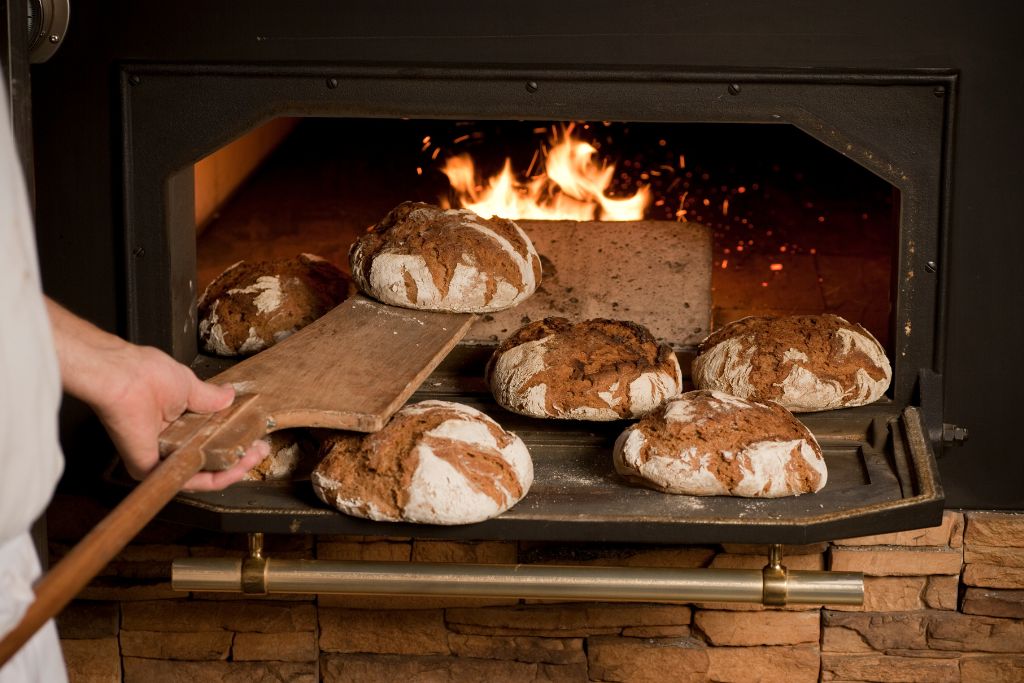
The most important part of the baking process is the fermentation phase. This transforms wheat flour into gluten, a protein that’s a major player in the texture and taste of baked goods.