
A mysterious case involving alleged tampering of police video evidence in Boulder City has sparked widespread debate, and this in-depth video dives headfirst into the claims. Blending skepticism, digital forensics, and a quest for truth, the creator unpacks what some believe is a deep conspiracy while showing how technical artifacts can easily be misunderstood.

🔥 Political Tensions and Misinformation
The video opens by framing the controversy in the context of a divided political climate. The presenter points to a growing distrust in institutions, where speculation and emotionally charged narratives often overshadow factual analysis. This sets the tone for a detailed exploration into how misinformation can take hold, even when the evidence says otherwise.
🧠 Experts Break Down the Technology
Throughout the video, commentary from digital video experts is woven in to explain how police body cameras and dashcams work. They clarify that frame skipping, duplication, or small glitches in footage are common side effects of how data is processed, compressed, and exported. What may look like deliberate tampering is often just the result of normal technical limitations.
🧩 Are the Tapes Actually Fake?
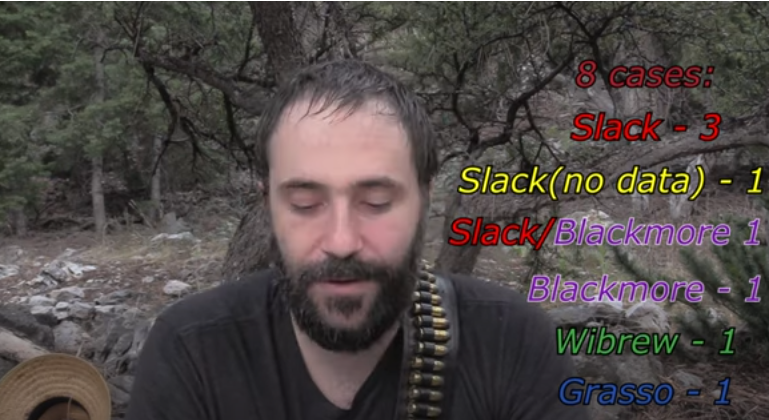
The video examines multiple pieces of video evidence alleged to be “fake.” Using a methodical approach, the presenter breaks down each example, explaining why the visual anomalies are not signs of editing but rather expected quirks from real-world camera operations. Whether it’s slight desynchronization or dropped frames, the conclusion remains the same there’s no concrete proof of forgery.
🔍 Building a Case Through Logic
Rather than relying on gut instinct or emotional reactions, the presenter introduces a clear, logical framework for evaluating digital footage. He encourages viewers to look at patterns across multiple sources, compare technical metadata, and avoid jumping to conclusions based on isolated clips. This method offers a powerful counter to viral misinformation campaigns.

🧬 Examining Body Language and Context
In a particularly analytical section, the video explores body language and timing, comparing it to what’s captured on camera. The results reveal no signs of rehearsal, deception, or staging only natural reactions in high-stress situations. Again, what some interpret as suspicious turns out to be unremarkable upon closer inspection.
🧭 A Call for Evidence-Based Thinking
One of the most compelling aspects of the video is its push for evidence-based investigation. Rather than dismissing concerns outright, the presenter takes them seriously, addresses them point by point, and encourages critical thinking. The goal isn’t to shame believers of the theory, but to offer a clearer path to the truth.
⚔️ A Personal Mission Against False Narratives
In the final segment, the creator shares a personal motivation for making the video: combating misinformation and restoring trust in factual inquiry. Armed with digital tools and an investigative mindset, he hopes to spark a wider conversation about how we process and evaluate media in an age of deep skepticism.
✅ Final Take
This video is a thoughtful, well-researched response to a growing online conspiracy. It not only debunks the claims of video tampering but also teaches viewers how to think critically about digital evidence. Whether you’re a skeptic or simply curious, it’s a compelling case study in how truth can survive the storm of speculation.
Watch full Video – https://youtu.be/EiO2Wkze-bI