
Apple has just announced its new iPhone 15 lineup, and it includes a lot of exciting upgrades. They have released the most recent A17 Bionic chip, a fingerprint reader called Touch ID, and 5G modems. Apple today announced a new iPhone 15 lineup that features the latest Apple A12 Bionic chip, a water-resistant design, and more. The company also said that all of its models can now get the most recent software updates. The titanium frame is back, too, and it’s thinner than ever. And, of course, they’ve included all the other things you expect from an iPhone.
Refresh rates
Apple’s iPhone 15 update is rumored to include the next-generation ProMotion display technology. The feature is actually an adaptive refresh rate system that allows your screen to shift from a static 10 Hz to 120 Hz depending on your needs. This makes it more power-efficient and helps preserve battery life.
In theory, the higher the refresh rate, the better. For the iPhone, this means smoother animations, faster scrolling, and more responsive gaming. Although most Android phones and a few high-end flagships, like the Google Pixel and Samsung Galaxy S22, feature 120 Hz screens, Apple’s iPhones still boast 60 Hz displays.
The iPhone 12 features an OLED panel. However, it’s still missing the always-on display feature that some Android phones have.
Similarly, the iPhone 13 and iPhone 13 mini don’t have a high-refresh ProMotion display. While it isn’t uncommon for Android phones to have 60Hz displays, a 120Hz display is a big deal, especially for mobile gamers. And it’s no surprise that Apple isn’t going to rush into bringing the feature to its iPhone lineup.
Touch ID return
While there have been a lot of reports regarding Apple’s plans to bring back Touch ID on the iPhone, there hasn’t been a lot of clarity. A recent report from Bloomberg suggests that the feature will be on the chopping block.
Despite these reports, some people still hope that Touch ID will make a comeback. However, a new report from Bloomberg’s Mark Gurman indicates that it may be a long time before we see the feature on an iPhone.

According to Gurman, a rumored under-screen Touch ID system is a thing of the past. Instead, Apple will focus on Face ID. This augmented reality feature, which works with facial recognition software, is the best way to improve security on iOS devices.
Gurman says that Apple may have tested adding the feature to its next iPhone, but it’s not likely to be included in a handset for years to come.
A17 Bionic chip
Apple’s next-generation iPhone 15 is expected to feature the A17 Bionic chip. The chip is expected to provide increased performance and efficiency, as well as a more powerful battery.
The A17 Bionic chipset will be based on TSMC’s 3-nm process. According to a Bloomberg report, the chip will use 35% less power than the A15. And, it’s also expected to deliver better performance than the 4nm A16 Bionic chip.

The A17 Bionic is believed to be the only chip that will be available in the high-end iPhone 15 Pro Max. That’s because the A16 Bionic chip costs around 10% more than the retail price of the iPhone 14 Pro.
But that could change with the next-generation chip, as Apple will likely adopt the 3nm process for future chips. Apple’s chipmaker TSMC is a leader in the chipmaking industry when it comes to using smaller processes.
Titanium frame
Apple is set to launch the iPhone 15 line in September, and rumors have started to surface about its features and specifications. Some people think the new phone will have a USB-C port, a Sony camera sensor, and a different design on the back. But the latest rumor says that the new phone will have a frame made of titanium.
One analyst, Jeff Pu, has published a research note on Haitong International Securities’ website that predicts the iPhone 15 Pro and Pro Max models will come with a titanium frame. Pu also outlined some of the other features the upcoming phones may have.
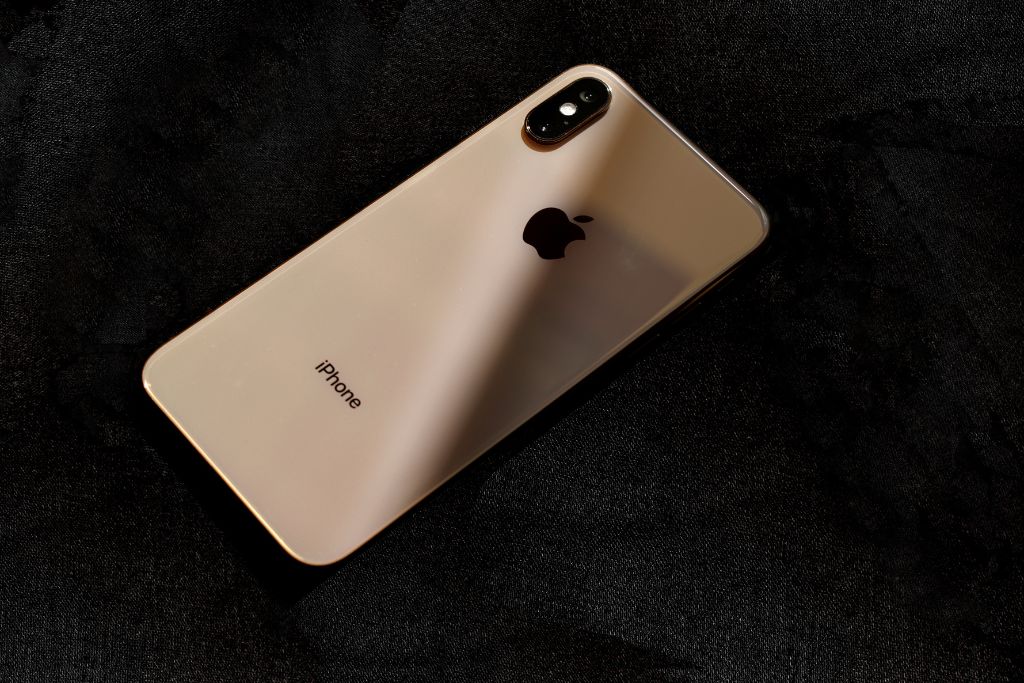
The iPhone Pro and Pro Max will feature a larger screen. It is also expected to include a larger RAM. All four phones are expected to have USB-C ports, which translates to ultra-fast data transfer speeds. And all models will support 5G via a Qualcomm Snapdragon X70 modem.
5G modems
The Apple iPhone 15 will be powered by Qualcomm’s 5G modems. According to a new report from Bloomberg, Apple will rely on this latest chip for the next generation of iPhones.
While Apple has been working on its own 5G modems for future iPhone models, it has not yet produced one. However, a recent report from DigiTimes claims that Apple has ordered 5G modems from Qualcomm, a move that would indicate that the Cupertino giant will have to wait until at least 2023 before it can use its own modem.

When Apple entered a six-year licensing deal with Qualcomm in 2019, it was expected that it would utilize the company’s 5G modems for its next-generation iPhones. But a new analysis shows that problems with Apple’s 5G chips may be legal.